
Chicago Bus and Train Accident Lawyers for Mass Transit Injuries
Buses, trains, and other forms of public transportation move thousands of people through Chicago and across Illinois every day. When something goes wrong—a collision, sudden stop, derailment, or dangerous condition on board—passengers and bystanders can suffer serious injuries in an instant. Our Chicago bus and train accident lawyers help injured riders, pedestrians, and families pursue compensation and answers after mass transit incidents.
Illinois Bus and Train Accidents – Why These Claims Are Different
Mass transit cases are not just “big car accidents.” Crashes and incidents involving CTA buses, Metra or Amtrak trains, school buses, private shuttles, and other transit systems often involve multiple companies, complex rules, and special deadlines. There may be a government agency, private contractor, and several insurers involved, each with its own lawyers and procedures.
Meanwhile, injured people are dealing with hospital visits, missed work, and confusion about who, exactly, they are supposed to make a claim against. Many passengers are told to “fill out a report” and wait, but never receive clear information about what happens next. When you work with a Chicago bus and train accident lawyer who understands these cases, you get a team focused on guiding you through the process, protecting your rights, and building a claim that reflects the full impact of the incident—not just the first round of medical bills.
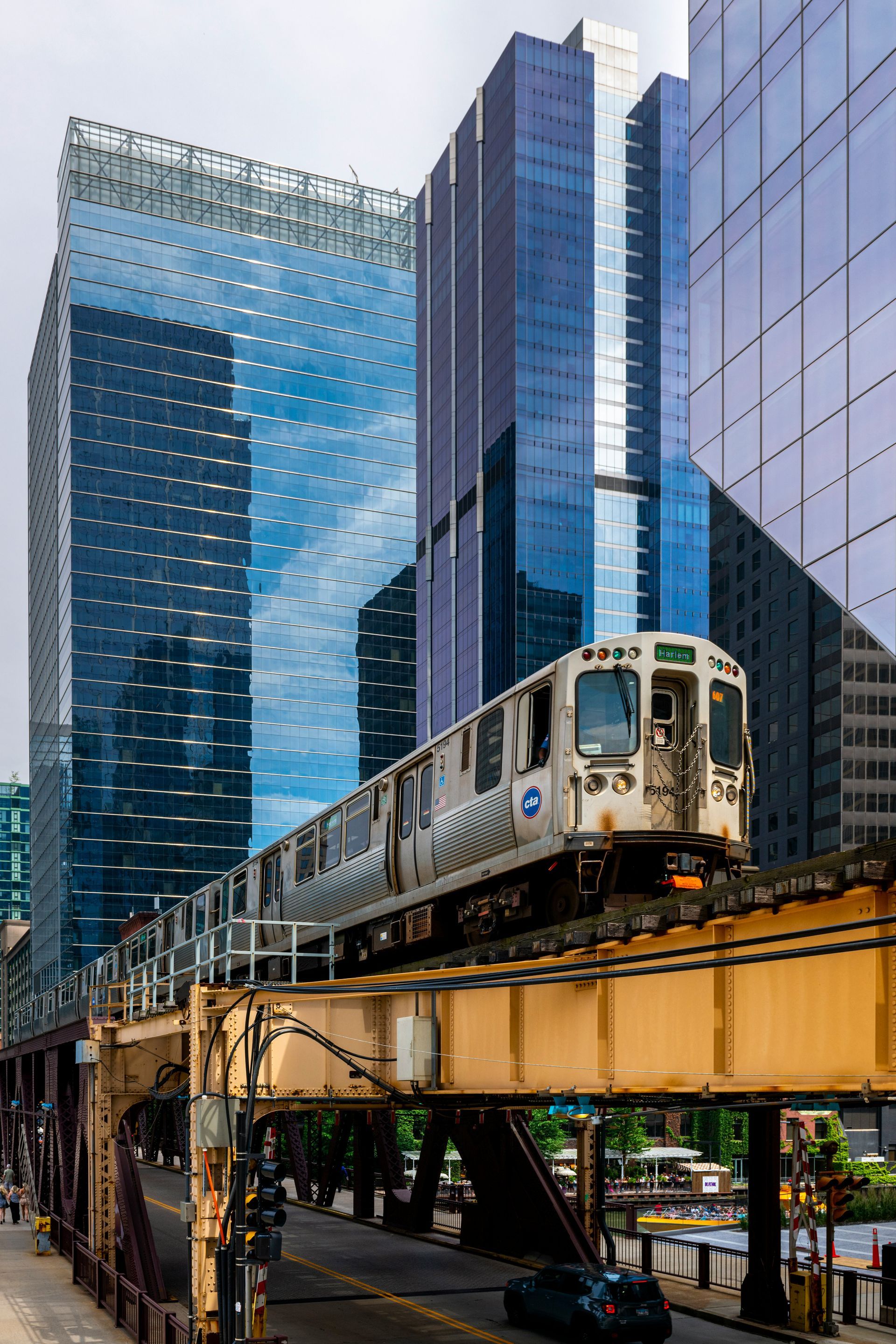
What to Expect From Our Bus and Train Accident Team
From your first call, we recognize that you may be dealing with pain, confusion, and a lack of clear information from the transit agency or company involved. Our initial role is to listen—to understand what happened, what you’ve been told so far, and what your most urgent concerns are. Then we outline a plan that may include:
- Obtaining incident reports and internal documents, when available
- Collecting and reviewing your medical records to understand your injuries and treatment
- Gathering photographs, video, and witness statements from the scene
- Identifying every potentially responsible entity (agency, contractor, driver, operator, maintenance provider, or other motorist)
- Tracking applicable deadlines and notice requirements that may apply to government-related claims
- Documenting lost wages, future treatment needs, and the ways the incident has affected your daily life
While we build your case, we handle communication with insurance adjusters, transit risk managers, and defense attorneys so you’re not left answering detailed questions or pressured to sign forms you don’t fully understand. Throughout the process, we explain each step in plain English, help you evaluate settlement offers versus litigation, and keep you updated so you always know where things stand.
Standing Up to Transit Agencies, Contractors, and Insurers
Bus and train accident cases often pit individual passengers against agencies and companies with their own legal departments and well-practiced strategies for limiting payouts. They may point to “standard procedures,” argue that your injuries are minor, or suggest that the incident was “unavoidable” despite clear warning signs.
At Alberts & Eiler, P.C., we respond with preparation and experience. Our attorneys bring more than 30 years of combined experience working both for and against insurance companies and have completed over 100 jury trials as a team. That background means we understand how transit claims are evaluated behind the scenes and how to build a case that agencies and insurers have to take seriously.
Because we deliberately maintain a smaller caseload, we have the time to dig into the details that matter—operating policies, maintenance records, training practices, route conditions, and your long-term medical outlook. If transit authorities or insurers underestimate your claim, delay, or try to push a quick low settlement, our readiness to take the case to trial helps demonstrate that we are prepared to fight for a full and fair outcome.
Common Questions About Bus and Train Accidents in Chicago and Across Illinois
What should I do if I’m hurt on a bus or train in Chicago?
First, focus on your safety and medical needs. Report the incident to the driver, operator, or a station employee and ask that an incident report be created. Seek medical attention as soon as possible, even if you think you can “walk it off,” because some injuries become more obvious later. If you can, note the route number, train line, vehicle or car number, time and location, and gather contact information from witnesses. Keep copies of any tickets, passes, or receipts. Before giving detailed statements to a transit claims representative or insurer, speak with a Chicago bus and train accident lawyer about how to protect your rights.
Who can be held responsible after a mass transit accident?
Responsibility can extend beyond the individual driver or operator. Depending on the facts, potentially liable parties may include a transit agency, private bus company, rail operator, maintenance contractor, other motorists involved in a collision, and sometimes manufacturers of defective components. In cases where multiple entities share responsibility, insurance coverage and fault may be hotly contested. A thorough investigation is essential to identifying all responsible parties and all available insurance, so your recovery is not limited to the most obvious defendant.
Are there special deadlines or notice requirements for bus and train accident claims?
Yes. When a public entity—such as a city or regional transit agency—is involved, there are often strict notice requirements and shorter timelines for taking certain steps, in addition to the general deadline for filing a lawsuit. Missing these requirements can harm or even bar your claim. That is one reason it is important to talk with an attorney as soon as you can after an incident involving a bus, train, or other mass transit system in Illinois.
What if I was standing when the bus or train stopped suddenly and I fell?
Being a standing passenger is a normal and expected part of using many transit systems, especially during busy times. The fact that you were standing does not automatically mean you are at fault for your injuries. The key questions are whether the driver or operator was driving safely for conditions, whether the stop or maneuver was unreasonably abrupt, and whether any other negligence contributed to the event. We look at witness accounts, operating policies, and any available video to evaluate whether the transit provider failed to act reasonably.
Can multiple injured passengers bring claims from the same bus or train incident?
Yes. Each injured person typically has a separate potential claim, even when many passengers are hurt in the same collision or sudden-stop event. These claims may proceed together or separately, depending on the facts, but your rights are individual to you. An attorney can explain how your case fits into the larger incident and what to expect if multiple claims are being pursued against the same agency or company.
How do legal fees work in bus and train accident cases?
In most bus, train, and mass transit injury cases, we work on a contingency-fee basis. That means you do not pay attorney’s fees unless we obtain compensation for you through a settlement or verdict. At the outset, we explain the fee structure, potential case expenses, and how those costs are handled so you can make an informed decision about moving forward.
Ready to Talk With a Chicago Bus and Train Accident Lawyer?
If you or someone you love has been injured in a bus or train incident in Chicago or anywhere in Illinois, you shouldn’t have to sort through transit rules, multiple insurers, and strict deadlines on your own. Our firm combines deep insurance-industry insight with trial-tested advocacy and a hands-on, small-firm approach. We offer free, confidential consultations, and you do not pay attorney’s fees unless we recover compensation for you.