Battling Brown Water
Battling Brown Water
Background
My clients received their household drinking water from wells owned and operated by a private water company. The clients and many others in the area who received water from the same wells were getting recurrent brown water that looked and tasted bad, and stained clothing, sinks, bathtubs, and toilets.
Brown well water can indicate a variety of issues, some of which may affect safety depending on the cause of the discoloration, whether it's sediment, minerals, or bacteria. In most cases, you should not drink brown tap water until the cause is identified and the water runs clear. It may often be a little harmless rust flushing through the system but it can be a sign of more serious contamination when the discoloration is persistent.
Lead contamination:
Rusty or corroded pipes, especially in older homes, can be a sign of lead leaching into the water. Lead is a neurotoxin that is particularly dangerous for pregnant women and young children.
Bacterial growth:
Sediment and corroded pipe materials can provide an environment for bacteria to grow. This could lead to gastrointestinal issues or other infections.
Well water contamination:
For homes with private wells, brown water could indicate that heavy rain has caused surface runoff, including harmful bacteria and debris, to enter the well.
Rusty pipes:
Brown water may come from rust or sediment in your pipes, which can be caused by aging pipes, maintenance in the water system, or problems with your water heater. Older homes with iron pipes may experience corrosion over time, leading to rust particles flaking off. Municipalities occasionally flush fire hydrants or repair water mains, which can stir up sediment and rust that has settled at the bottom of the water lines. This can also be caused by pressure changes from construction or even drought.
Water heater issues:
Sediment can build up at the bottom of your water heater. If the tank's sacrificial anode rod is depleted, the tank itself can begin to rust, and you may only notice brown water when using hot water.
High mineral content:
Naturally occurring iron and manganese in your water supply can cause sediment to build up in pipes and stir up, making water appear brown.
Manganese:
Investigation revealed that a few years earlier the company was required to shut down one well and install a special filtration system after brown water testing confirmed manganese levels several times more than the maximum level permitted under government standards.
Manganese is the 12th most plentiful element in the Earth's crust and in the right quantity is a vital nutrient for human bone health, metabolism, and antioxidant functions. It is naturally occurring in many kinds of foods including shellfish, nuts, grains, and leafy vegetables. The mineral is used industrially to strengthen steel and as an important ingredient in batteries, fertilizers, glass and other products.
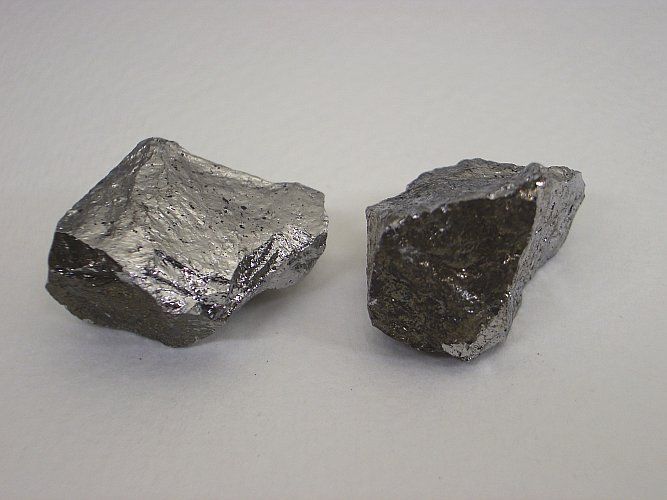
Manganese is commonly found in sedimentary rock layers such as sands and gravels where the rocks have encountered hot water deep underground—such as some hot springs within the Olympic or Cascade Mountain ranges. Much of the manganese in our region like many rocks laying exposed in yards or on beaches was carried here by glaciers that moved down from Canada and then retreated leaving behind rich mineral deposits including iron and manganese.
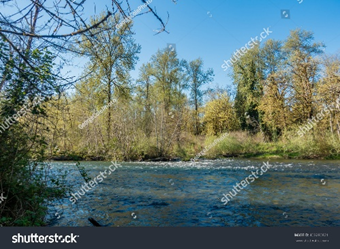
High mineral content: The Green River, a major source for Tacoma's drinking water, contains naturally occurring minerals like iron and manganese.
Health Risk
Ingesting too much manganese over extended periods can be harmful, particularly for pregnant mothers, young children, and the elderly. Infants under six months old are particularly vulnerable to manganese neurotoxicity. The EPA advises against using tap water with manganese concentrations above 0.3 mg/L to prepare baby formula. The Washington state DOH adopted the EPA’s recommended maximum secondary contaminant (SCL) standard of 0.05 mg/L.
Adult chronic exposure to very high levels of manganese over many years can lead to nervous system effects in adults, with symptoms similar to Parkinson's disease, such as tremors and an unsteady gait. See: https://harvardpublichealth.org/environmental-health/manganese-in-water-a-threat-to-americans-health/
Aesthetics
Excess levels of manganese can cause brownish-black discoloration, black staining on fixtures, and a metallic taste.
Property damage
High manganese levels can also cause black or brown staining on sinks, toilets, dishes, and laundry. It can precipitate out of the water and build up as sediment in pipes and valves, which can cause reduced water pressure or damage to water-using fixtures and appliances.
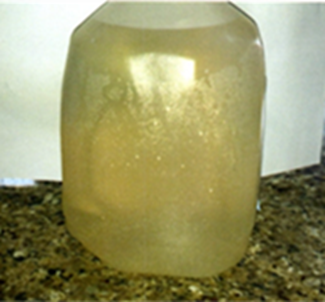
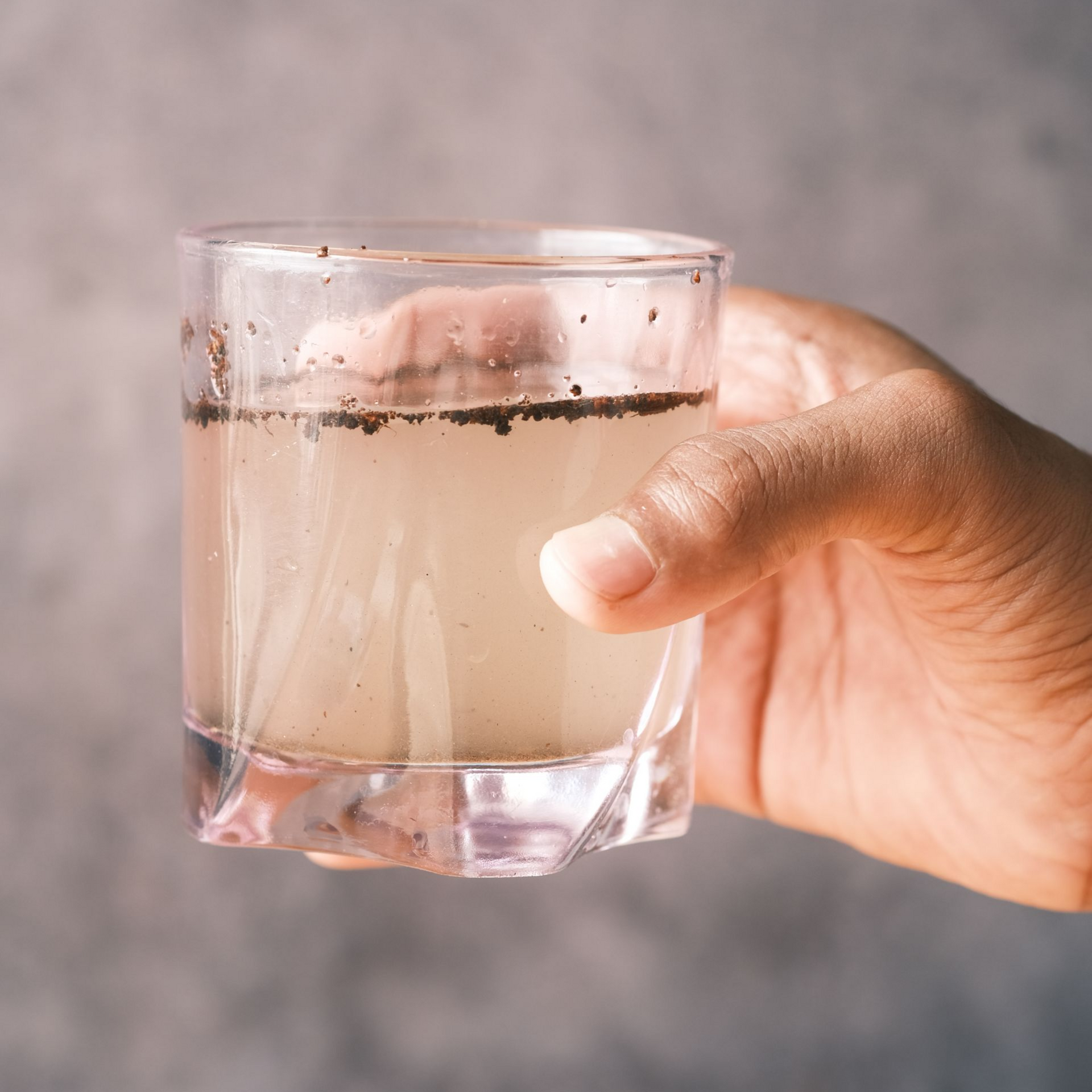
The client brought a water sample to a UTC meeting to show why she was complaining about its quality.
DOH Drinking Water Standard
WAC 246-290-310 sets forth the drinking water quality standards adopted and enforced by DOH Office of Drinking Water. This regulation sets the Secondary Maximum Contaminant Level (SMCL) for manganese at 0.05 mg/l.
The law requires water sellers to provide water which meets or exceeds DOH purity standards. Sellers must regularly test and monitor the quality of their water at each well site to make sure its meets the standards and provide summary reports to their customers.
My Argument
My argument was that water which contains manganese levels in excess of 0.05 mg/l is “impure” under RCW 80.28.030 and is unfit for drinking, bathing or showering, hand washing, food preparation, cooking, and oral hygiene.
The proof was in the water company’s own documents which indicated manganese levels at one well of 0.23 mg/l, more than quadruple the maximum permitted level.

One of the wells had manganese which far exceeded the Secondary Maximum Contaminant Levels (“MCL”) set forth in WAC 246-290-310 even though the water company had promised to fix the problem a year ago. The DOH was satisfied with this response but was under the false impression that only one customer had complained about the water quality when in fact there were hundreds of complaints located in the water company’s own service order data system. The company told customers:
“There have been times throughout the year that the product delivered to you has been aesthetically displeasing, but I guarantee it has been safe to drink or cook with.”
Legal regulation of water quality in Washington
Private or investor owned water suppliers are regulated by the DOH and the Washington State Utilities and Transportation Commission UTC). There are currently 46 active water companies regulated by the UTC. https://www.utc.wa.gov/.
The UTC regulates private water companies that meet specific criteria, not public utilities. Companies with 100 or more customer connections fall under UTC oversight or if a company's charges exceed an average of $557 per customer per year. The UTC does not regulate water systems operated by cities, towns, counties, Public Utility Districts (PUDs), cooperatives, or homeowners' associations.
UTC's role in water regulation
The UTC ensures that services are fairly priced, available, and reliable for the companies it regulates. It handles customer complaints regarding billing, rates, and service issues. The UTC does not regulate the rates or services of City, town, or county water systems, Public Utility Districts (PUDs), Cooperatives, or homeowners associations.
Billing, service, or rate complaints:
Contact the UTC if your service is from a qualifying private company.
Water quality or pressure complaints:
Contact the DOH Office of Drinking Water (DOHODW).
Treatment surcharge issue
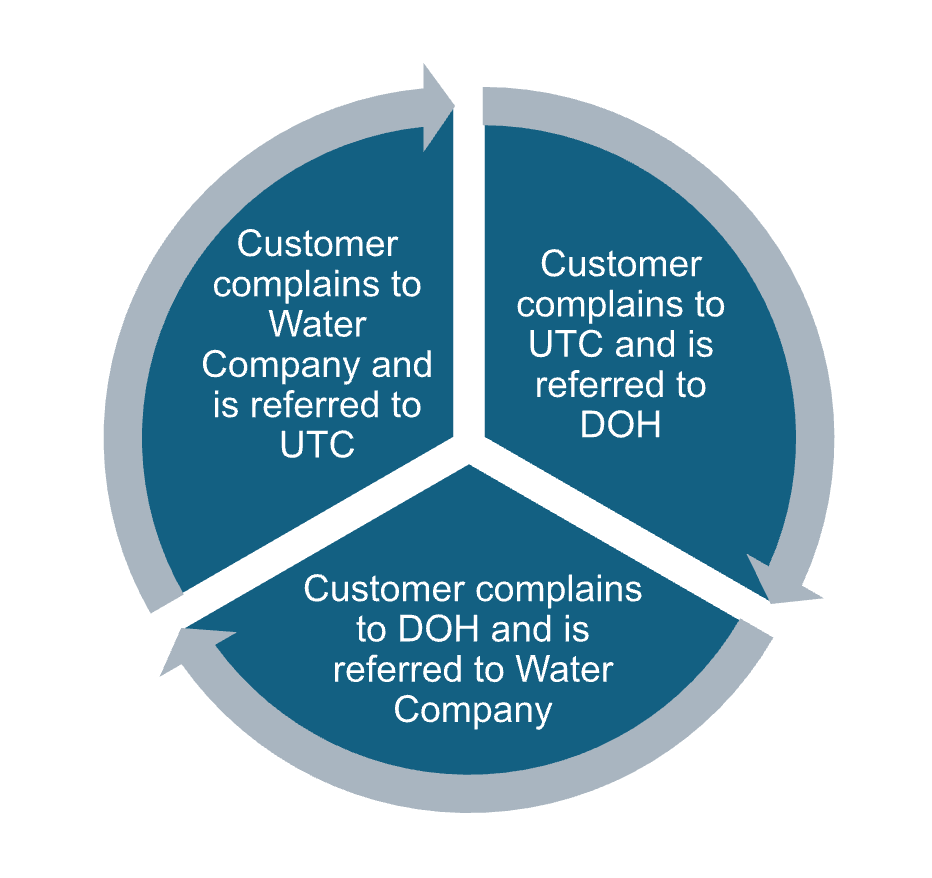
The Circular Complaint Process
State law made the water company responsible for investigating and addressing customer complaints: